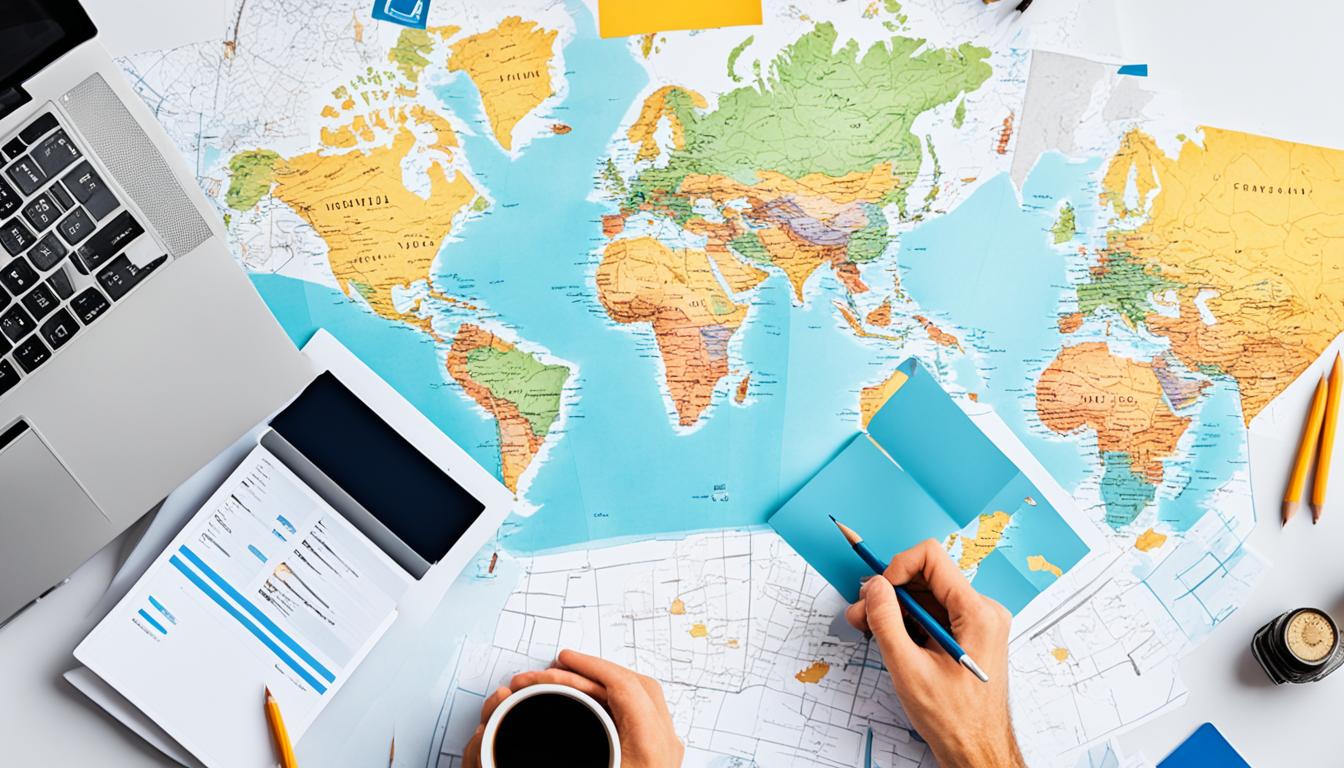
When I plan my travels, I think a lot about the details. It’s not just about marking places on a map. It’s about making a journey that nourishes both the soul and the stomach. As someone who loves to travel and eat, I’ve found that a step-by-step guide is key. It helps me mix adventure with food in the best way.
Travel planning is more than a list of things to do. It’s the map of your adventure. Every step, from the start to the end, shapes your experience. When you let your passions for food and culture guide you, every moment becomes a memory to cherish. So, I ask: how can making a travel plan bring more life to your trip and deepen your love for global foods?
Key Takeaways
- Understanding the importance of detailed travel planning for a unique culinary adventure.
- Creating a robust and fulfilling travel itinerary that is both efficient and immersive.
- Emphasizing the value of a step-by-step guide for a stress-free and enjoyable journey.
- Recognizing the essential stages of travel planning, from research to savoring the last bite of your trip.
- Highlighting the joy of discovering new places through the flavors and stories of their food.
Embarking on a Culinary Journey: Setting the Stage for Travel and Food Adventure
Planning my next trip, I aim to mix culinary adventures with my travels. This trip is a foodie travel journey that connects me with the local culture through food. I start by picking destinations where food is a key part of the culture and history.
Choosing the right place is key. I look for spots that are beautiful and have a deep food culture. Whether it’s a busy city or a quiet town, each place offers unique culinary adventures that I love.
- Exploring local markets to understand the source of their ingredients
- Attending cooking classes to learn authentic recipes
- Visiting renowned restaurants and hidden gems recommended by locals
By doing these things, I become part of the local food scene. This makes my trip better and lets me connect with the locals in a real way. It’s about making friends over meals in a new place.
I also plan my trips to match local food festivals or events. These events let me see the best of the region’s food, from traditional dishes to new creations by famous chefs. It’s a chance to enjoy food, shows, and stories that show the area’s culture.
For me, foodie travel means making a trip plan full of food and adventure. It’s about exploring new places, trying different foods, and learning about the world. This journey helps me understand different cultures through food.
This kind of travel requires an appetite for both adventure and food. It’s about more than just eating; it’s about exploring and being fed by unforgettable tastes and experiences.
Delving into Destination Research: Culture, Attractions, and Cuisine
As a food lover, it’s key to know the culture of where you’re going. Every place has its own special tastes, traditions, and ways of cooking. It’s important to look deeper to really get what makes a place special.
Understanding Local Culture and Etiquette
Starting your food journey means learning about local ways and how to eat. Knowing these customs shows respect and makes your trip better. For instance, in Japan, saying “itadakimasu” before eating shows thanks for the food and everyone who helped make it.
Identifying Must-Visit Landmarks and Attractions
When planning your trip, link places to visit with local foods for a richer experience. Going to a famous market or site might lead you to find true local food spots. This link helps you get to know the area better.
Investigating Food Destinations and Culinary Hotspots
Looking for the best food spots takes some effort. Search for areas famous for certain dishes or chefs who are changing local food. Places like street food markets or fancy restaurants are full of insights into the area’s food scene.
Remember these tips for your next trip. They’ll help you dive into the local food and culture fully.
Creating a Food Travel Budget: Balancing Costs and Experiences
Planning a trip focused on food requires a good travel budget. I’ll show you how to make sure your food adventures are unforgettable and won’t break the bank.
Estimating Daily Travel and Food Expenses
Start by breaking down your costs into daily travel and food. Think about how much you’ll spend on getting around and eating out. Street food and fine dining can greatly affect your budget.
Finding Value in Culinary Experiences and Accommodations
Value doesn’t always mean low cost. Sometimes, spending more can lead to a richer experience. Staying near food markets or districts can also save you money and time.
Considering Travel Insurance and Unexpected Costs
Always have a backup fund for unexpected costs. Travel insurance can protect you from health emergencies or trip cancellations. It lets you enjoy your food travels without worry.
Here’s a look at estimated daily costs for different food destinations:
| Destination | Average Daily Travel Cost | Average Daily Food Expense | Sample Culinary Experience |
|---|---|---|---|
| New York, USA | $150 | $70 | Street Food Tour |
| Paris, France | $170 | $90 | Wine and Cheese Tasting |
| Tokyo, Japan | $130 | $60 | Sushi and Ramen Adventure |
Securing Flights and Accommodations: The Foundation of Your Foodie Trip
Starting a foodie trip means finding the right flights and places to stay. This step makes sure you move smoothly into the world of travel eats. It also sets the stage for an amazing trip. Good travel planning means finding the best place to stay close to the best food spots.

Choosing where to stay is key because it can make your food journey better. The right spot means less time traveling and more time eating. Here’s how I pick the best places to stay and flights for my food adventures.
- Research strategic locations: First, I find places to stay close to famous restaurants and food markets. This lets me go on spontaneous food adventures.
- Compare flight options: Then, I look for flights that fit my eating plans. I want to spend more time eating and less time traveling.
- Book in advance: To get the best deals, I book my flights and hotels early. This way, I avoid high prices and last-minute stress.
| Accommodation Type | Proximity to Food Hubs | Average Cost Per Night |
|---|---|---|
| Boutique Hotel | Within walking distance to top eateries | $150 |
| Apartment Rental | Short drive to major food markets | $120 |
| Luxury Resort | On-site gourmet restaurants | $300 |
Planning your trip well means getting the best flights and places to stay. It doesn’t just make your trip smoother. It also lets you dive deeper into the world of travel eats. This way, you can enjoy every bite without any trouble.
Designing a Delectable Itinerary: Blending Sightseeing with Food Tourism
Creating the perfect foodie travel plan is both an art and a science. It’s about mixing sightseeing with food tourism. This way, every meal and snack becomes a taste of local culture. Here’s how to blend unforgettable culinary experiences with must-see attractions for a delicious journey.
Strategizing Your Days Around Foodie Experiences
Start each day with a plan that focuses on food spots. Whether it’s a famous morning market for fresh pastries or a lunch spot loved by locals, food anchors your schedule. Book reservations early to not miss out on top dining spots.
Leaving Room for Spontaneity and Culinary Discoveries
Having a plan is key, but the magic of food tourism is in the unplanned moments. Add flexibility to your plan for spontaneous stops at eateries or impromptu tastings. These surprises can lead to the most memorable trip moments.
Incorporating Rest and Digestion Time into Your Plan
Don’t overfill your schedule with activities and food tours. Your body needs time to rest and digest. Include downtime in your plan for relaxing at a café, people-watching, or enjoying quiet moments. This prevents burnout and makes your trip better.
By using these tips, your food tourism adventure will be both enriching and fun. Balancing planned activities with spontaneous discoveries and resting time ensures a great foodie travel experience.
Exploring Flavors and Traditions: Embarking on Foodie Adventures
When I think about travel and food, I feel a thrill. Each bite tells a story, full of diverse and rich flavors. Foodie adventures let us taste delicious dishes and dive into local food traditions. Every meal becomes a chance to connect with culture.
While traveling, I’ve enjoyed local markets and cooking classes with native chefs. These experiences have broadened my taste and deepened my respect for global culinary arts.
- Participating in a cooking class to learn traditional recipes
- Visiting bustling local markets to see the fresh ingredients
- Attending food festivals that showcase regional specialties
Connecting with food and its creators is key to understanding food traditions worldwide. Food and travel feed each other, creating memories as rich as the dishes we enjoy.
From spicy street food in Asia to gourmet meals in Europe, each experience enriches my world view. Enjoying a fresh pastry in South America adds to my appreciation for global diversity.
These food adventures let me savor not just the flavors but also the stories and people behind them. Each dish tells of history and pride. Exploring flavors through travel and food is a journey that changes us deeply.
Packing Essentials for a Food-focused Journey
Getting ready for food adventures means thinking about what you’ll eat and where you’ll go. You need to pack smart to enjoy every bite and experience without trouble. This guide will help you pack right for your food trips, from stylish clothes for fancy dinners to gadgets for capturing your food moments.
Having the right items is key for your food-focused trip. Your luggage should have clothes, personal items, and special gadgets for your culinary adventures. Whether you’re eating by the beach in Bali or trying street food in Mexico City, you’ll need specific gear. Here’s what to pack:
- Clothing: Choose light, breathable clothes for daytime and something stylish for evening meals
- Footwear: You’ll need comfy shoes for walking and dress shoes for nice dinners
- Tech Gadgets: Bring a good camera or a smartphone with lots of memory to capture your food
- Extra Batteries/Power Banks: Keep your devices charged so you don’t miss any meals
- Eco-friendly Utensils: A personal cutlery set is great for snacks and good for the planet
| Item | Necessity Level | Use Case |
|---|---|---|
| Reusable Water Bottle | High | Stay hydrated as you move between food spots |
| Compact Spice Kit | Medium | For chefs who like to cook on the go |
| Snack Containers | Medium | Keep food safe and fresh as you eat on the move |
When you’re off on food adventures, pack smart with an eye for versatility and convenience. These items will help you enjoy a wide range of dining experiences, from fancy restaurants to street food. They’ll also let you safely bring back some of your favorite travel eats. Every item in your bag should have a purpose on your food journey!
Navigating Health and Safety While Indulging in Travel Eats
Exploring travel eats is thrilling, with new flavors and experiences. But, it’s key to keep health and safety in mind, especially when trying new foods abroad. It’s all about enjoying new tastes while staying safe and considering dietary restrictions.
Understanding Food Safety in Foreign Destinations
When eating out, knowing about food safety is crucial. Do your homework on the local health rules and how food is handled. This helps avoid getting sick from food while traveling.
Keeping Dietary Restrictions in Mind While Travelling
If you have food allergies or other dietary needs, plan ahead. Talk about your needs and find local foods that are safe and healthy. This makes your trip better and safer.
Staying Insured and Prepared for Health Concerns Abroad
Have travel insurance that covers medical costs abroad. Always carry a health kit with what you need for your destination and diet.
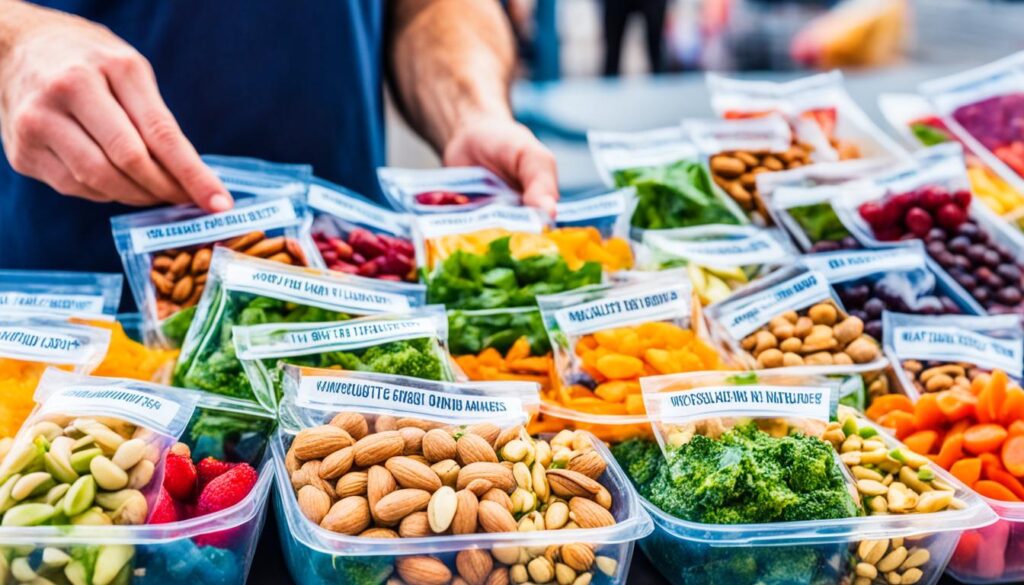
Enjoying travel eats safely keeps you healthy during and after your trip. Focus on food safety, match your diet with your needs, and be insured for health issues. This way, your food adventures will be both fun and safe.
Conclusion
Starting a food tourism adventure is a great way to mix travel planning with exploring new tastes. We’ve looked at key steps to make a memorable food journey. These steps include researching local traditions and finding top food spots, and thinking about your budget and where you’ll stay.
Creating a tasty itinerary is both an art and a science. It’s important to balance seeing sights with trying new foods. This way, every day of your trip will be full of delicious experiences and surprises. Always remember to eat safely and enjoy your food without worries. Each meal tells a story and creates a memory.
As we wrap up, think about what you’ve learned and get excited for your next trip. Whether you dream of drinking wine in Tuscany or eating sushi in Tokyo, the world’s flavors are waiting for you. I hope your travels are filled with great tastes and that the flavors you try inspire your own stories when you get back.